- Tubing
- The 1974 and 1975 US catalogs list fully lugged 1020 light steel tubing, so there's no Reynolds decal on these. Later Grand Tourings changed. The 1979 catalog lists double-butted Vitus 172 main tubes and the 1984 catalog Vitus 888, so a Vitus decal means a later bike, not a fake.
- The frame
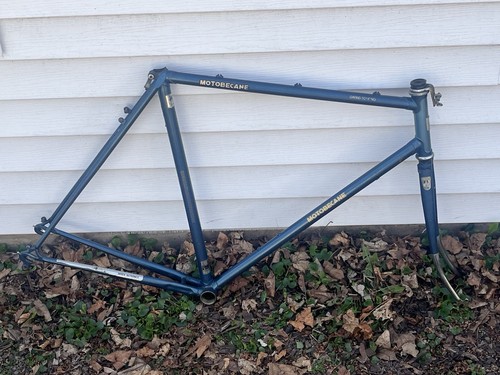
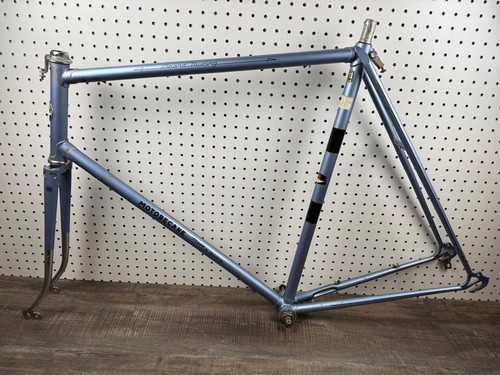
- The 1975 catalog lists Motobecane Racing lugs. Look for dents in the top and down tubes and rust at the seat cluster and bottom bracket. A mixte has twin lateral stays, so check both for bends.
- Threads and standards
- Motobecane used Swiss-thread bottom brackets on most models from the mid-1970s. Swiss is the same 35 x 1 mm thread as French, but the fixed cup is left-hand, so turn it clockwise to remove it. Stems and bars follow French sizes, so check before you buy a replacement.
- Wheels
- The 1974 and 1975 bikes came on 27 x 1-1/4 in alloy rims with Normandy quick-release hubs and a five-speed freewheel, which means 120 mm rear spacing. 27 in tires are still easy to find.
- Parts it came with
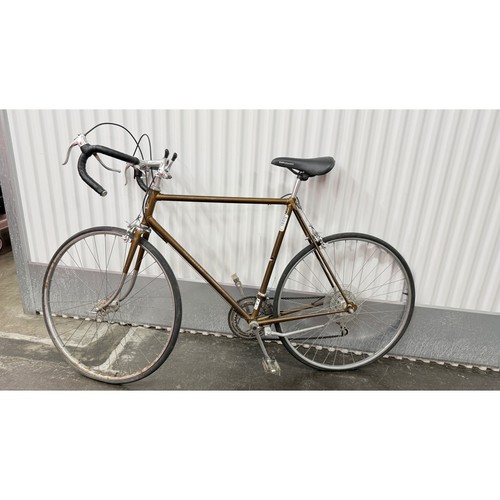
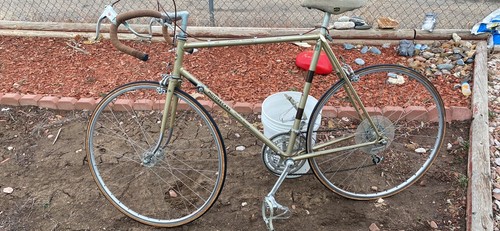
- The mid-1970s US bike had Japanese gearing, a SunTour VGT Luxe derailleur with a wide 14-32 freewheel, plus Weinmann 999 centerpulls and a Sedis chain. The cotterless crank was a Nervar in 1974 and a SunTour Tourney in 1975. Motobecane was early to fit Japanese parts, so they're original here, not an upgrade.
- Dating it
- Catalog specs date it. A 1020 steel frame with a Nervar or Tourney crank is 1974 or 1975. Vitus 172 main tubes, Bocama lugs and an SR crank point to 1979, and a Vitus 888 frame with a Stronglight triple and Helicomatic hub is a 1984 bike.
- Paint and decals
- The 1975 catalog offered Silver Blue or Red. The 1979 bike came in gun metal grey or new blue.
- Safety jobs
- Extension levers (safety levers) don't stop as hard as the main levers, so test both. Old tires and brake pads should come off before the first ride.